
Reading fast and slow, what makes you unstoppably resilient right now and more
Weekly digest of practical philosophy, psychology and productivity wisdom

Hello,
Here is your weekly dose of wisdom for smarter living. If you are new here, check out the archive for all the essays and tools for learning. To support my work, you can upgrade to a paid subscription for $9 per month or $60 for an entire year. There’s so much more for paid subscribers in 2026.

There are two types of readers . Those who prefer to skim, scroll and skip as fast as possible to save time (and still learn something new) and those who take their time to engage with content on a deeper level for better comprehension.
There’s a time to read fast and a time to read slow.
I prefer the latter, but I sometimes use the former to read posts and essays I save to Pocket or Instapaper. Fast reading a skill. Many people love to read faster for varied reasons — save time, get more knowledge in the shortest time possible and quickly decide what’s worth their limited time.
Speed reading can save you time, but it’s not always the best use of your time if you aim to comprehend the book or understand the topic deeply.
More often than not, people skim read. They flick pages in the hope of finding critical points. And when reading online or using an app, you are tempted to scroll as fast as possible.
Successful fast reading requires an insane amount of concentration to make it work. Otherwise, the brain quickly forgets. To improve your chances of success when you fast read, reduce external distractions and do everything you can to get your mind to the essay, post or book for as long as possible.
If you find yourself re-reading the same pages over and over again when you speed read, you are probably not focusing enough. You can use a headphone to minimise the external noise to concentrate better.
“When our brain wanders, it’s because we’ve become passive. We need to be curious,” says Jordan Harry. Speed reading is “a superpower which you can turn on and off,” he argues.
Many speed readers are also passive readers — they don’t absorb as much as they think. When speed reading becomes a habit, make sure you are not wasting your time. Measure your results. Find out if it’s working and change your approach where necessary.
If you prefer to turn on speed reading a lot of the time and still comprehend most of what you read, try and summarise when you finish reading.
If you learned something new, write it down. It will help you understand and retain the knowledge better. And always start your speed reading process with a purpose. What exactly are you hoping to get out of it? Make that clear right from the beginning.
Slow reading is an art. It’s active, intentional and deliberate. There’s no rush. No scrolling and definitely no skimming. I prefer to read my books slowly. That’s why I choose my books carefully. If I invest in a book, I want to make it worthwhile. And I pay attention to comprehend the ideas better.
Great books are meant to be read slowly.
“We can learn to pay attention, concentrate, devote ourselves to authors. We can slow down so we can hear the voice of texts, feel the movement of sentences, experience the pleasure of words — and own passages that speak to us,” says Thomas Newkirk.
Modern life makes it incredibly difficult to make quality time for slow reading. But you can find pockets of time to enjoy your books — you could read first thing in the morning before you start work. You can also read later in the evening before you go to bed.
To encourage slow reading, I take breaks from work to read. I read both physical and digital books. When I’m out and about, I read on my tablet and my phone. And when I’m home, I read physical books to take a break from the screens when I can. I don’t binge-read books in a single week. Knowledge for life or career is too precious to be hurried.
Slow readers are deep learners. They focus on comprehension and better understanding. It’s a better way to expand your knowledge.
“Slow-reading is for deep learners. If you are going to invest time reading for knowledge, take the time and do the work to get your money’s worth,” writes David Handel, MD. Slow, active or purposeful reading requires a higher level of thinking. Total immersion in a book or text makes you think about your thinking. It makes you question your worldview, perceptions and beliefs. It also makes you ask better questions.
Slow reading can reduce stress, especially when read in a distraction-free environment. If you don’t have that, design it. Use tools to your advantage.
Successful slow readers don’t set outcome-based goals. They don’t aim to finish 10 books a month. It ruins the experience and makes you rush to crush a goal. What’s the point if you don’t remember anything you read in the future, apply what you read in life or enjoy the process.
Aim to make slow reading a habit instead — don’t focus too much on how many books you are reading in a year. Build a great reading habit, and you will become a lifelong learner.
Even if that means reading for a few minutes before you start work or committing a few minutes to read your favourite book every night before you sleep. Aim to make it a daily habit — like watching TV or turning on Netflix every evening. Once that becomes a habit, you will read more than you think. And you won’t stress about crushing a goal without a long-term purpose.
Immersive reading changes how you acquire knowledge. If you choose your books carefully, you will make time to read them slowly.
In a hurried age, slow reading is increasingly becoming a lost art. For a more meaningful reading experience, embrace slow reading. “Every book should be read no more slowly than it deserves, and no more quickly than you can read it with satisfaction and comprehension,” writes Mortimer J. Adler in his book, How to Read a Book: The Classic Guide to Intelligent Reading.
You can use fast reading once in a while to get a better idea of a post, essay or book, but for a deeper understanding of topics you care about, slow reading is a better approach.
Author Karl Ove Knausgard on being fully immersed in life
“What makes life worth living? No child asks itself that question. To children life is self-evident. Life goes without saying: whether it is good or bad makes no difference. This is because children don’t see the world, don’t observe the world, don’t contemplate the world, but are so deeply immersed in the world that they don’t distinguish between it and their own selves.”
Source: Autumn
Ralph Waldo Emerson on trial and error as a way of life
“Do not be too timid and squeamish about your actions. All life is an experiment. The more experiments you make the better. What if they are a little coarse, and you may get your coat soiled or torn? What if you do fail, and get fairly rolled in the dirt once or twice. Up again, you shall never be so afraid of a tumble.”
A Free Read on Medium
Miyamoto Musashi’s Samurai Secrets That Will Make You Unstoppably Resilient Right Now
I’m putting together a “resilience” life code to train myself to never break under pressure. I will need it as we are living through the reset of the world order. Don’t get me started on the middle east war, energy prices, the strait of hormuz control games and economic fallout we are all experiencing. Most people are responding to this by getting attached to the infinite news cycle. And feeling sick about it. Legendary samurai Miyamoto Musashi’s secret code for becoming mentally unstoppable has been very useful.
Get them for free or donate what you want
Shortform — All lifelong learners need this
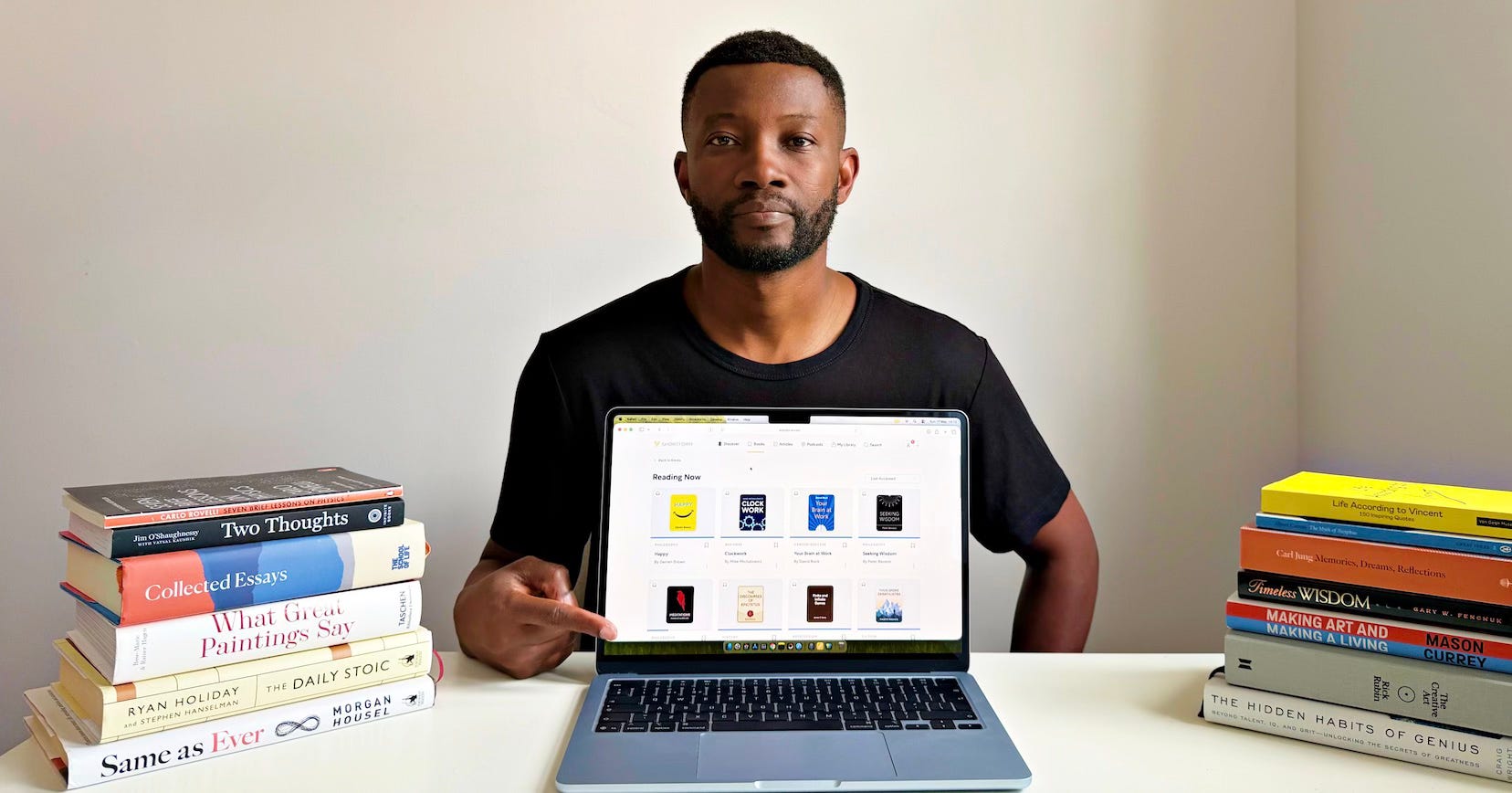
Shortform is one of my indispensable tools for learning. I’ve been using it for a while now. I find their actionable summaries of self-improvement, philosophy, and psychology books easy to apply.
Shortform helps you level up without wasting time you don’t have. And they don’t stop at books. They’ve got guides for articles and podcasts. Experience a new level of lifelong learning with Shortform. Over 10,000 people use it to accelerate their learning. Join me on Shortform.
Postanly readers get a free trial and $50 off the annual plan.
About me: I’m Thomas. My essays cross between productivity, philosophy, psychology. I also write a Fast Company column on smarter living. My readers include intellectually curious people from Microsoft, Google, Amazon, Salesforce, LinkedIn, Apple, BBC, HubSpot and Morning Brew.
Postanly Weekly is a reader-supported newsletter. To support my work, you can upgrade to a paid subscription for $9 per month or $60 for an entire year. There’s so much more for paid subscribers in 2026.