
All or nothing thinking is a cognitive trap, on the value of effort, choosing our path & more
The smartest people I know refuse to use AI for these things

Hello!
Here is your weekly dose of Postanly Weekly wisdom for smarter living. If you are new here, check out the archive for all the essays and tools you missed. Upgrade for more. There’s so much more for paid subscribers in 2026.
By popular request, 2026 upgrade offer is back. My biggest discount for an annual subscription: £15 the whole year (usually £45).
Paid subscribers will get my best work on:
• How to productise your expertise. Turn what you already know into leverage/income source.
• How to make writing a fulfilling career path without burning out.
• How satisfied people around the world live (tools/life models/ lifestyle frameworks)
• What I’m personally learning on growth — in work, thinking, and life
Paid supporters will also get:
– My upcoming book on thinking clearly, free
– The Weekend Discovery, now paid-only and ad-free
All or nothing thinking is a cognitive trap
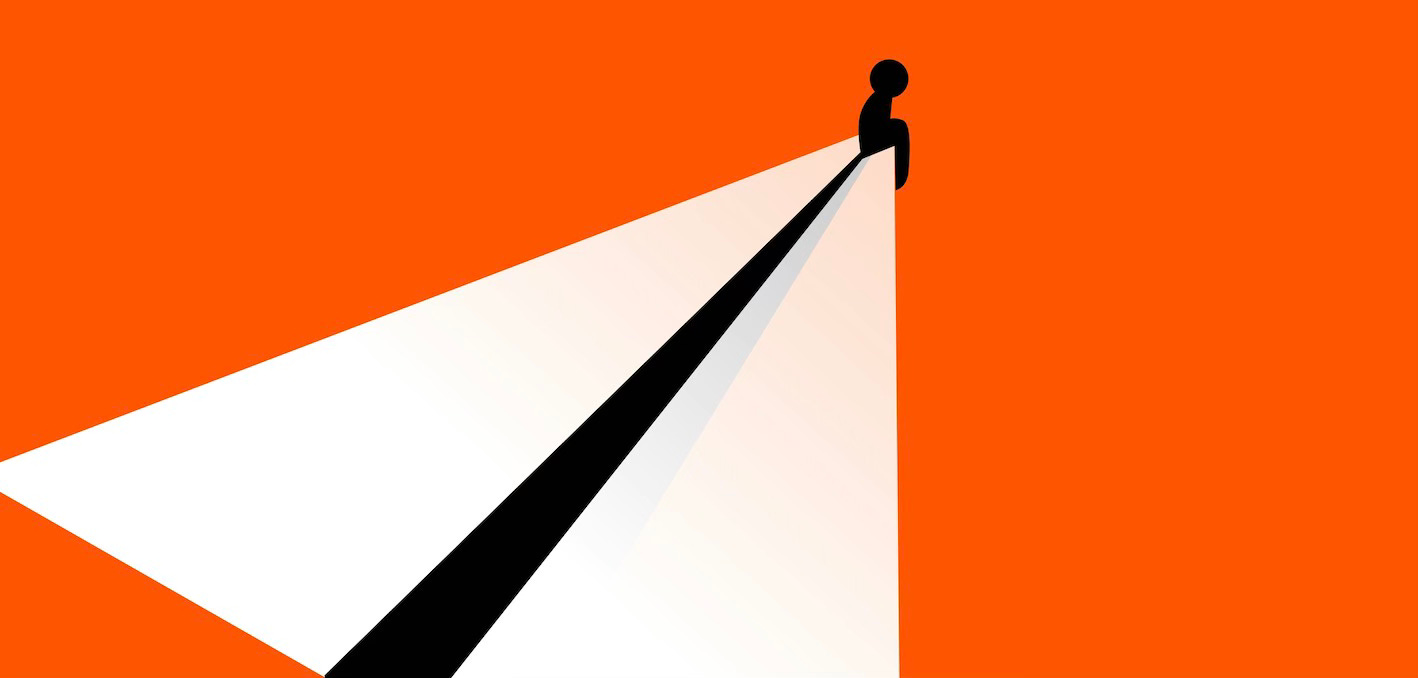
All-or-nothing thinking, black-and-white, success or failure, win or lose thinking are all the same cognitive blindspot. People who think in black-and-white can’t see shades of grey; they only see either yes or no. It’s why it’s so difficult to argue with someone who is all-or-nothing thinking. They are either with you, or they are against you. Even if they are not being logical or rational, the fact that they are not willing to see shades of grey shows that they are stuck in a mindset of all-or-nothing thinking.
It’s a thinking trap that can make life incredibly difficult to enjoy; because you won’t give yourself a break to see things differently. People who look at things in black-or-white terms are never happy with anything different from the expected outcome. They are trapped in a cognitive bias or trap that prevents them from thinking about other possible scenarios in life.
For example, “If I don’t publish a book as a writer, I’m a total failure,” I didn’t get that promotion, my career is over,” or If I don’t walk 10,000 a day, I’m not doing enough for my health.” All-or-nothing thinking makes you feel like you have no other option than to make a decision or not make a decision at all. When you think in black and white, anything else feels like is not worth living — it’s a cognitive trap that makes you unhappy, depressed, and anxious.
Life is not linear — most things are not fixed. Sometimes there is a spectrum of grey, and those shades of grey are perfectly fine.
“The good life is a process, not a state of being,” says Carl Rogers.
Dualistic thinking is not the only reality.
Life still goes on if you don’t attain your highest and sometimes unrealistic goal. You can think of it as an experience; learn to enjoy the process instead of getting attached to the end result. There are always lessons learned — use them as stepping stones for your next experience.
“The greatest discovery of my generation is that a human being can alter his life by altering his attitudes of mind,” William James once said.
When we have all-or-nothing thinking, we automatically view every new situation as either good or bad, right or wrong, and as either great or terrible. This type of thinking is likely to occur when we’re under stress or anxious about something. And because all-or-nothing thinking can lead to irrational decisions, it can be detrimental to our mental and physical health.
If you are also critical of your decisions, you might also become very defensive and anxious because of it. It’s all-or-nothing thinking at work!
The more you find ways to ditch black-and-white thinking, the happier you will be. Even if you are more inclined to look for a binary outcome, give yourself a break by noticing your thoughts. And learn to celebrate your progress. Stop reminding yourself of the many ways you’ve messed up or ruined your chances of making it in life.
Writer Simon Sarris on the value of effort
“If you make lists of lofty goals, it can be easy to leave them to accumulate, as happens sometimes, into a mountain of to-do’s and notes and half-forgotten plans. Dreaming alone is seductive, even a little sweet, since it lacks the pain of trying. So it feels proper to prize attempts more than dreams.
You should have ideals, but you cannot only love an idealized future, you must cultivate a love of effort, too. If you really want something, then the soul must make demands of the body.”
Author Hunter S. Thompson on choosing our path
“It is not necessary to accept the choices handed down to you by life as you know it. There is more to it than that — no one HAS to do something he doesn’t want to do for the rest of his life.
But then again, if that’s what you wind up doing, by all means convince yourself that you HAD to do it. You’ll have lots of company.”
New on Medium
The Smartest People I Know Refuse to Use AI For These Things
Some things in my life are jobs. Work reports. Working through spreadsheets/documents/emails. Finding the wisdom in a lengthy research paper. The help or shortcut makes sense. I’m saving time for meaningful thinking/work. The goal is the output. You don’t get better for suffering through the process. But…
New video at Smarter Humans
Short videos on all the ideas for your ideal life. Borrow wisdom from people who’ve figured out how to live well. A weekly nudge toward your best self? Subscribe for weekly wisdom. New videos weekly.
▶ A single career path is a massive risk right now
My most popular books
Get them for free or donate what you want.
About me: I’m Thomas. My essays cross between productivity, philosophy, psychology. More than 100,000 people have subscribed to my life and career newsletters: Postanly Weekly and Career Growth Insider (LinkedIn). I also write a Fast Company column on smarter living. My readers include intellectually curious people from Microsoft, Google, Amazon, Salesforce, LinkedIn, Apple, BBC, HubSpot and Morning Brew.
Postanly Weekly is a reader-supported newsletter. To support my work, you can upgrade to a paid subscription for $9 per month or $60 for an entire year. There’s so much more for paid subscribers in 2026.